-
Shop
- Apparel & Accessories
- Arts, Crafts & Hobbies
- Beds & Furniture
- Best-Sellers
- Car Accessories
- Digital Resources
- AI Skills
- Beauty
- Budgeting & Saving
- Car Buying & Ownership
- Dating & Social Skills
- Education & Learning
- Emotional Intelligence
- Entrepreneurship & Business Growth
- Family & Parenting
- Financial Independence
- Financial Mindset & Psychology
- Goal Setting
- Health & Wellness
- Hobbies
- Home Styling & Organization
- Kitchen & Recipes
- Leadership
- Mindfulness
- Mindset
- Motivation
- Online Business
- Parenting & Child Development
- Personal Growth
- Personal Style & Fashion
- Pet Lifestyle & Wellness
- Positive Thinking
- Productivity
- Self Confidence
- Sleep Improvement
- Stress Management & Relaxation
- Travel
- Wealth
- Wellness
- Yoga & Mind-Body Practices
- Fashion
- Fashion Accessories
- Gadgets
- Garden
- Garden Supplies
- Health & Beauty
- Home & Garden
- Home Supplies
- Indoor Supplies
- Kids & Babies
- Luxury Living Collection
- Parenting Guides Collection
- Pet Care
- Pet Supplies
- Seasonal Collection
- Back to School
- Christmas Collection
- Easter Products
- Halloween
- Thanksgiving Digital Collection
- AI & Tech-Enhanced Thanksgiving
- Budgeting & Smart Shopping
- Eco-Friendly & Sustainable Thanksgiving
- Family & Kids
- Gift Ideas Guides
- Gratitude & Mindfulness
- History & Meaning
- Hosting & Planning
- Leftovers & Storage
- Pets & Thanksgiving
- Social Media Captions & Ideas
- Thanksgiving DIY Ideas
- Thanksgiving Recipes
- Thanksgiving Products
- Sport & Outdoors
- Super Deals
- Walking & Traveling Supplies
- Popular
- Best deals
Dive Deeper Into The Intricate Details: Understanding How a Digital Microscope Works

Ever wondered, “how does a digital microscope work?” This article will provide you with an in-depth understanding of this modern marvel. It’s not just about magnifying objects to thousands of times their size; it’s also about capturing every detail seamlessly and delivering high-quality images right on your screen.
The Mechanics Behind How a Digital Microscope Works

A digital microscope is more than just an ordinary microscope. It combines traditional optics with advanced technology to produce highly detailed images that can be viewed directly on an integrated screen or transferred onto other devices for further analysis. But how does it achieve such feats?
The answer lies in its three main components – the lens, sensor, and display system. These elements work together to capture fine details unseen by the naked eye, convert them into electronic signals, and then render these signals as clear visuals on your device’s screen.
Magnifying Wonders: The Role Of Lenses In A Digital Microscope
Lenses are crucial in determining how well a digital microscope works. They gather light from the subject being studied and focus it onto the sensor located within the device. The quality of these lenses greatly impacts image resolution – better lenses result in clearer images.
Sensor Sensitivity And Its Impact On Image Quality
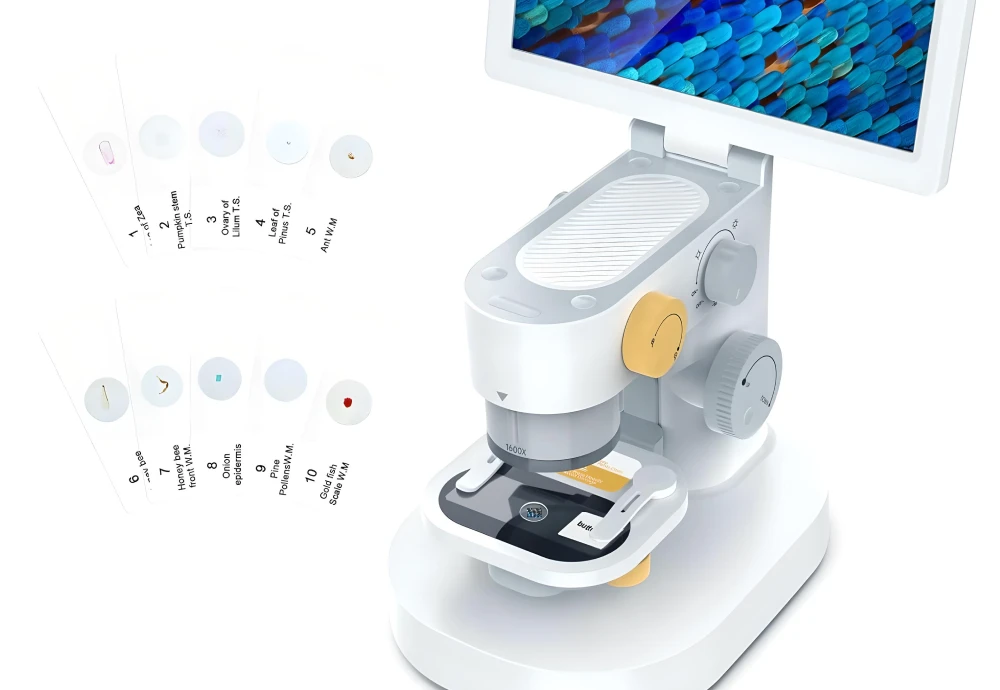
Once light has been focused by lenses, sensors come into play next when answering ‘how does a digital microscope work’. Sensors transform this light into electronic signals that can be processed and displayed. Higher sensor sensitivity means better image quality, especially in low-light conditions.
Display System: Bringing The Microscopic World To Life
The final component involved in how a digital microscope works is the display system. This system takes the electronic signals from the sensor and transforms them into images on your screen. The quality of this display plays a significant role in determining how well you can observe minute details.
The 1200X Touchscreen Digital Microscope with Triple Camera: A Step Beyond Ordinary
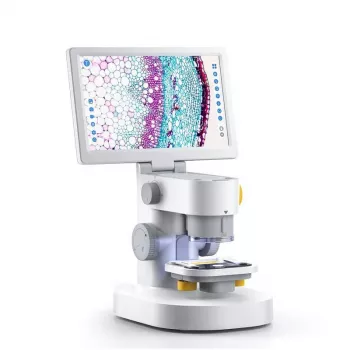
This particular model stands out among other microscopes due to its advanced features and superior performance. It offers high magnification levels up to 1200 times, ensuring detailed views of even the smallest subjects.
One of its key advantages is its triple camera setup which provides multiple viewing angles for comprehensive examination of any specimen. Coupled with an intuitive touchscreen interface, it makes studying microscopic entities easier than ever before.
Tips And Tricks For Maximizing Your Digital Microscope Experience
To get the most out of your digital microscope experience, ensure proper lighting conditions when examining samples as it significantly affects image clarity. Additionally, adjusting focus regularly helps maintain sharpness during prolonged use.
Niche Trends: How Does A Digital Microscope Work In Various Fields?

Digital microscopes are revolutionizing various fields such as education, research, manufacturing and more by providing unparalleled insights into microscopic worlds. Their ability to capture high-resolution images has made them an indispensable tool for professionals and hobbyists alike.
For more insights on how a digital microscope works, check out these related articles: Stylish and Sustainable Wheat Straw Seasoning Dish for Your Kitchen, Innovative Deshedding Glove For Enhanced Pet Grooming, and Ready To See How Easy Your Dental Routine Can Be?.
Now that you know “how does a digital microscope work”, why not explore the wonders of the microscopic world with your own? Check out the 1200X Touchscreen Digital Microscope with Triple Camera today!













Leave a comment